
A crusty, artisan-style gluten-free loaf built on white rice flour and a gluten-free sourdough starter, with psyllium husk for structure. It bakes in a hot Dutch oven for a crackly crust and a tender crumb.
Why this works
- White rice flour has a mild flavor and a fine texture, so it’s a clean base for gluten-free bread.
- Psyllium husk and xanthan gum stand in for gluten, giving the dough structure and a chewy crumb.
- A gluten-free sourdough starter adds rise and flavor.
- A preheated Dutch oven and a few ice cubes create steam for a crisp crust.
My tips
- Weigh your ingredients. Gluten-free flours vary a lot by the cup.
- The dough is sticky, and that’s normal. Shape it with wet hands or a dough scraper.
- Give it the full 4–5 hour rise somewhere warm.
- Bake to 210°F inside, and let it cool completely before slicing (overnight is best).
Want my 5 best gluten-free breads?
Free guide: the loaves, rolls and focaccia I actually bake, with the tips that make them work.
The story behind it
Jump to RecipeIn the world of gluten-free baking, finding the perfect recipe can be an arduous but fun journey filled with experimentation and discovery. Today, we invite you to join us on our quest to create this gluten free white rice flour bread with a sourdough starter. With each variation, we change the flours used in order to find that elusive balance between taste and texture. I feel I have got the texture figured out but still working to get the right taste.
Why Gluten-Free White Rice Flour Bread?
Baking gluten-free bread is a unique challenge because it requires replacing traditional wheat flour with alternative flours to create a bread that holds together and tastes good. White rice flour, known for its mild flavor and fine texture, serves as the perfect base for our experiments.

The Quest for Perfection: Changing the Flours:
Now, it’s time to have some fun with experimentation. Below are some different flours that I am testing out:

- Mix in Brown Rice Flour: Replace a portion of the white rice flour with brown rice flour for a nuttier flavor and added nutrients.
- Incorporate Sorghum Flour: For a touch of sweetness and a smoother texture, try substituting some of the white rice flour with sorghum flour.
- Explore Almond Flour: To impart a subtle, nutty flavor and a moist crumb, consider using almond flour as a replacement.
- Add Coconut Flour: Infuse a hint of tropical flair by introducing coconut flour, which brings both flavor and moisture to the loaf.
Remember, the key to creating the perfect gluten-free bread is to find the balance that suits your taste buds and dietary needs. Feel free to experiment and share your results with us. In future posts, I will be using even more different types of flours.
Conclusion: Baking gluten-free bread is a journey filled with creativity and culinary exploration. With our base recipe and a dash of experimentation, you can discover the perfect combination of flours that yield the ideal taste and texture for your gluten-free bread. The possibilities are endless, and the joy of finding that perfect loaf is a reward in itself. And if you are gluten free, you totally know what I mean.
The cast of characters.

Making the gluten free bread.

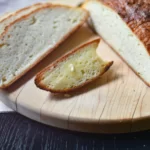
The Gluten Free White Rice Flour Bread plated.

Make ahead & storage
- Store at room temperature, wrapped, for 2 days.
- Slice and freeze for up to 3 months; toast straight from frozen.
Variations
- Swap part of the white rice flour for brown rice or sorghum flour for a nuttier flavor.
- Add 2 tablespoons of seeds (sunflower, flax or sesame) to the dough.
- Use maple syrup instead of honey.
Questions people ask
Can I make it without a sourdough starter?
This recipe depends on the starter for its rise. For a yeasted loaf, try one of the other gluten-free breads linked below.
Why is my gluten-free bread gummy?
Usually it’s underbaked or sliced too soon. Bake to 210°F and let it cool completely.
Tapioca or potato starch?
Either works, or a mix of both, for the 190 grams.
You might also like: Ultimate Guide to Gluten-Free Flours for Bread Making · Gluten Free Psyllium Husk Bread · Delicious Gluten Free Honey White Bread Recipe
Made this? Leave a star rating in the recipe card below and tell me how it turned out in the comments. I read every one.
The Recipe
Gluten-Free White Rice Flour Bread
Ingredients
- 250 Grams GF sourdough starter
- 340 Grams Warm water
- 340 Grams White rice Flour
- 190 Grams Tapioca and/or Potato flour
- 40 Grams Brown rice flour
- 2 Tbsp Honey
- 2 Whole Eggs
- 2 Tsp Apple cider vinegar
- 1 Tsp Xanthan gum
- 3 Tsp Psyllium husk powder
- 2 Tsp Salt
- 1 Tsp Baking powder
- 1 Tbsp Avocado oil
Instructions
- Add all the ingredients to a stand mixer, putting the starter and warm water in last.
- Mix with the paddle attachment on medium speed for 2 minutes. The dough will come together but won’t form a ball; it should be sticky.
- Lightly dust the counter with gluten-free flour and turn out the dough. With wet hands or a dough scraper, shape it into a ball and smooth the surface.
- Place the dough smooth side down in an oiled bowl, then flip it and smooth the top with wet hands. Cover with a tea towel.
- Let it rise 4–5 hours. It may double in size, or rise a little less.
- About 45–60 minutes before the rise is done, put a Dutch oven in the oven and heat to 425°F.
- Move the dough onto parchment and lower it into the hot Dutch oven. Tuck a few ice cubes outside the parchment for steam. Cover.
- Bake 25 minutes covered, then 25 minutes uncovered, until it reaches 210°F inside or sounds hollow when you tap the bottom.
- Let the bread cool completely before slicing; I usually wait until the next day. Enjoy!







Responses
comments – I answer every one.
Okay, thanks. I realize now that I would need to omit the eggs as well. I would use a psyllium husk egg nut the recipe calls for the powder already. Suggestions?
I would actually use an egg substitute for that component and use the psyllium husk only as the binder. Hope that works for you.
can you provide info on how to make this without a sourdough starter?
Natalia, you could just use one packet of yeast. Make sure it says its gluten free. Something that I am exploring is using more than one packet of yeast to give the bread extra yeast. So watch for future posts where I share the results of this idea. Hope I answered your question.