
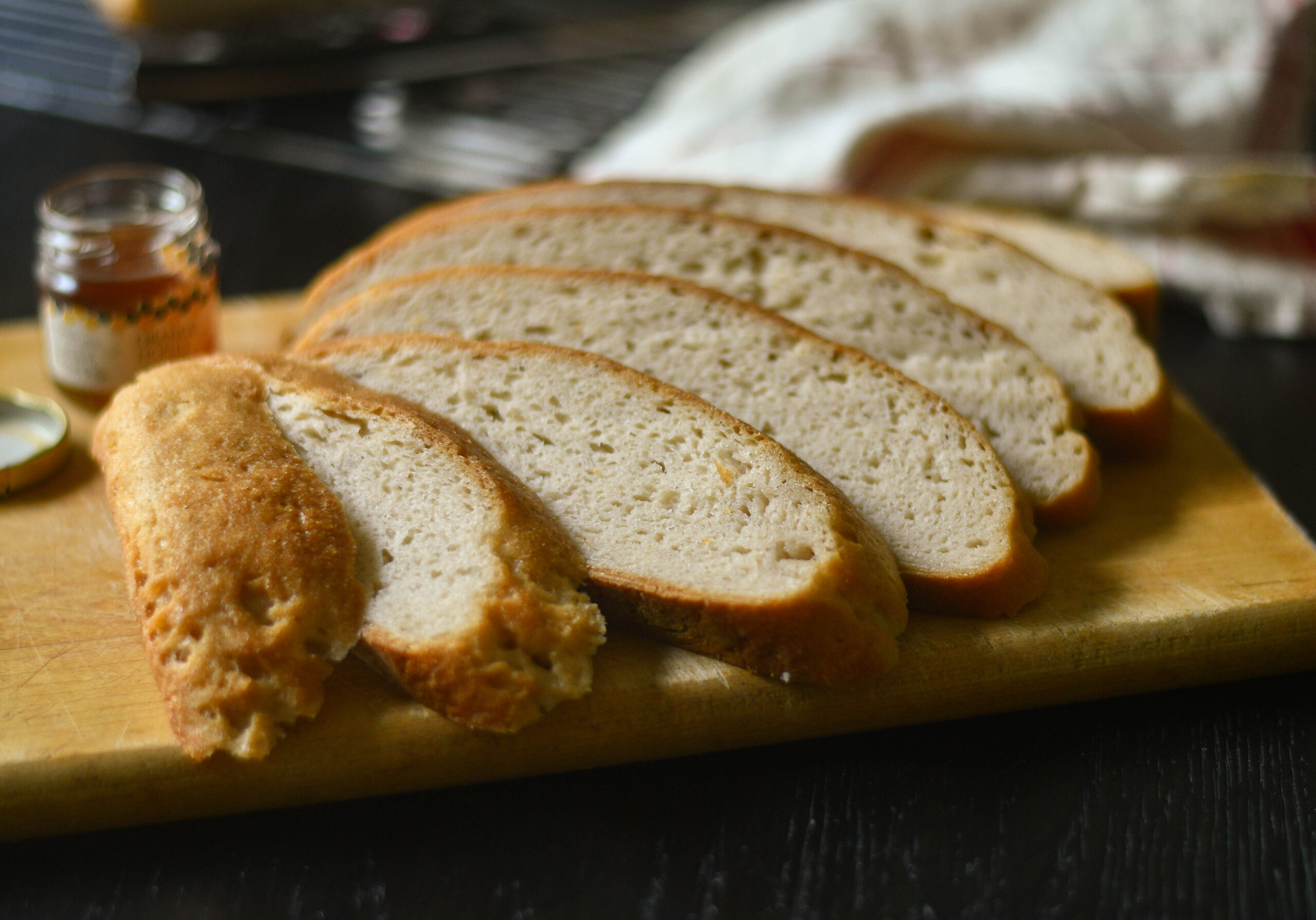
Gluten-free baking has its challenges, and my search for the perfect loaf has been going on for years. What I want is simple: a gluten-free bread that tastes great and holds together the way a traditional loaf does. We all want that taste we remember, and a slice that doesn’t fall apart in your hands. I’m sure you know exactly what I mean.
My experimenting eventually brought me to psyllium husk. I really like the binding quality and the flavor that psyllium brings compared to xanthan gum. It has a subtle, nutty taste and it gives gluten-free dough a stretch you just don’t get any other way.
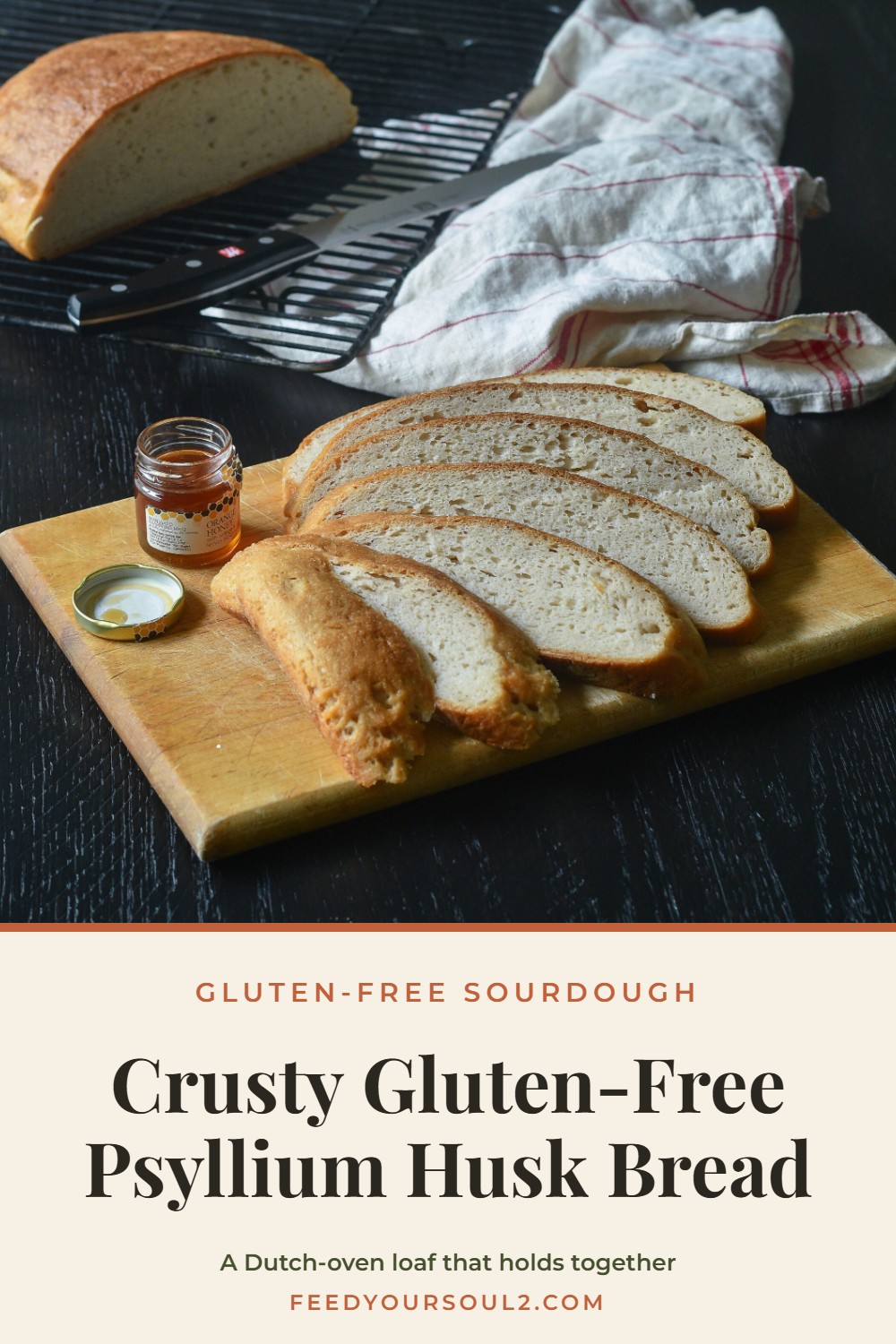
This Gluten-Free Psyllium Husk Bread is a crusty, artisan-style sourdough loaf. It’s made with Caputo Fioreglut and brown rice flour, bound with psyllium husk powder and baked in a hot Dutch oven, which gives it a crackly crust and a soft, chewy inside.
As a quick aside, I use a homemade gluten-free sourdough starter for all my sourdough breads. I followed this recipe from Fresh Is Real to make mine. My journey to the perfect gluten-free loaf isn’t over, but this one stands tall in both taste and texture.
Jump to Recipe
Why You’ll Love This Gluten-Free Psyllium Husk Bread
- A real crusty loaf. Baking in a preheated Dutch oven with a little steam gives you a bakery-style crust.
- It holds together. Psyllium husk forms a gel that does the job gluten normally does, so you can slice it and make a sandwich.
- Sourdough flavor. The gluten-free starter gives it that tangy, complex taste.
- Hands-off. Two minutes in the mixer, a long rise on the counter, then into the oven.

Key Ingredients for Gluten-Free Psyllium Husk Bread
Psyllium Husk Powder
The star of the show. Psyllium soaks up water and turns into a gel, which gives the dough structure and stretch. Use the powder, not whole husks, for the smoothest crumb.
Caputo Fioreglut and Brown Rice Flour
Fioreglut is an Italian gluten-free flour blend made for bread and pizza. Brown rice flour adds a little whole-grain flavor and body. To learn more about how each flour behaves, see my Ultimate Guide to Gluten-Free Flours for Bread Making.
Gluten-Free Sourdough Starter
The starter gives this loaf its rise and its tang. Make sure it’s active and bubbly before you start.
Honey, Olive Oil and Apple Cider Vinegar
A little honey helps the crust brown and feeds the starter. Olive oil keeps the crumb tender, and apple cider vinegar adds a touch of acidity that helps the texture.
Xanthan Gum and Baking Powder
A small amount of xanthan gum backs up the psyllium, and baking powder gives the loaf a little extra lift.
How to Make It
The full recipe with exact amounts is in the recipe card below. The short version: mix everything in a stand mixer for 2 minutes, shape it into a ball with wet hands, and let it rise in an oiled bowl for 4 to 5 hours. Bake it in a Dutch oven preheated to 425°F, 25 minutes covered and 25 minutes uncovered, until it reaches about 210°F inside.

Tips for the Best Loaf
- Wet your hands. The dough is sticky. Wet hands make shaping much easier.
- Preheat the Dutch oven. Give it 45 to 60 minutes in the oven so it’s screaming hot when the dough goes in.
- Add steam. A few ice cubes tucked outside the parchment create steam for a better crust.
- Use a thermometer. About 210°F inside means it’s done.
- Cool it completely. Gluten-free bread keeps setting as it cools. Slice too early and it will be gummy.
A Little About Psyllium
Psyllium comes from the seeds of a plant called Plantago ovata, and most of the world’s supply is grown in India. For centuries it was used mainly as a digestive aid, because the husks swell and form a gel when they meet water. That same gel is what makes it so useful in gluten-free baking. Bakers figured out that it can mimic the stretch of gluten, and today it’s one of the most popular binders for gluten-free bread.
Serving Suggestions
- With soup: thick slices for dipping.
- Toast: with butter and honey, or avocado and a fried egg.
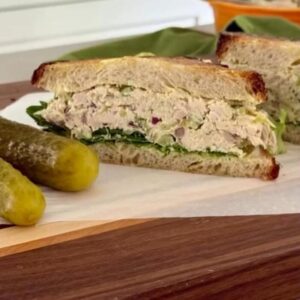
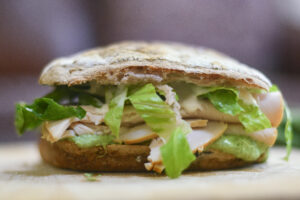
- Sandwiches: it’s sturdy enough for a stacked deli sandwich.
- With dinner: warm, with good olive oil for dipping.
More Gluten-Free Breads to Try
- 7 Gluten-Free Bread Recipes I Actually Bake
- Gluten-Free Honey White Bread
- Gluten-Free Maple Syrup Sourdough Bread
- Gluten-Free Artisan Flax Bread
- Gluten-Free Ciabatta Rolls
Final Thoughts
If you’re into gluten-free bread making, this psyllium husk loaf is one to add to your rotation. Whether you eat gluten-free every day or you’re just looking for a great alternative, I think it’ll surprise you. Let me know in the comments how yours turns out.


The Recipe
Gluten-Free Psyllium Husk Bread
Ingredients
- 250 grams GF sourdough starter, active
- 350 grams warm water
- 350 grams Caputo Fioreglut gluten-free flour
- 150 grams brown rice flour
- 20 grams psyllium husk powder, about 2 Tbsp
- 1 tsp xanthan gum
- 2 Tbsp honey
- 1 Tbsp olive oil
- 2 tsp apple cider vinegar
- 2 tsp salt
- 1 tsp baking powder
Instructions
- Add all the ingredients to a stand mixer, putting the starter and warm water in last.
- Mix with the paddle attachment on medium speed for 2 minutes. The dough will be thick and sticky; the psyllium firms it up as it sits.
- Turn the dough out onto a lightly floured counter. With wet hands, shape it into a ball and smooth the surface.
- Place it seam side up in an oiled bowl, flip it, and smooth the top with wet hands. Cover with a tea towel and let rise 4–5 hours.
- About 45–60 minutes before the rise is done, put a Dutch oven in the oven and heat to 425°F.
- Move the dough onto parchment and lower it into the hot Dutch oven. Tuck a few ice cubes outside the parchment for steam. Cover.
- Bake 25 minutes covered, then 25 minutes uncovered, until it reaches 210°F inside or sounds hollow when tapped.
- Cool completely before slicing, ideally overnight. Enjoy!






comments – I answer every one.